
Delve into the complex world of prescription drug dependency, exploring its impact on individuals and society while shedding light on prevention and treatment strategies.
Unravel the mysteries behind this growing concern and discover the crucial information you need to know.
Definition of Prescription Drug Dependency
Prescription drug dependency is a condition where individuals develop a physical or psychological reliance on prescription medications to function normally. It differs from addiction in that dependency involves a reliance on the drug to manage symptoms or maintain stability, while addiction is characterized by compulsive drug-seeking behavior despite negative consequences.
Factors Contributing to Prescription Drug Dependency
Several factors can contribute to the development of prescription drug dependency, including:
- Long-term or high-dose use of prescription medications
- Underlying mental health conditions
- Genetic predisposition to substance dependence
- Lack of proper monitoring or oversight by healthcare providers
Impact of Prescription Drug Dependency
Prescription drug dependency can have significant impacts on both individuals and society as a whole. Some effects include:
- Decreased productivity and impaired functioning in daily life
- Increased risk of overdose and other health complications
- Financial strain due to the cost of obtaining prescription medications
- Strain on relationships with family, friends, and coworkers
Commonly Abused Prescription Drugs
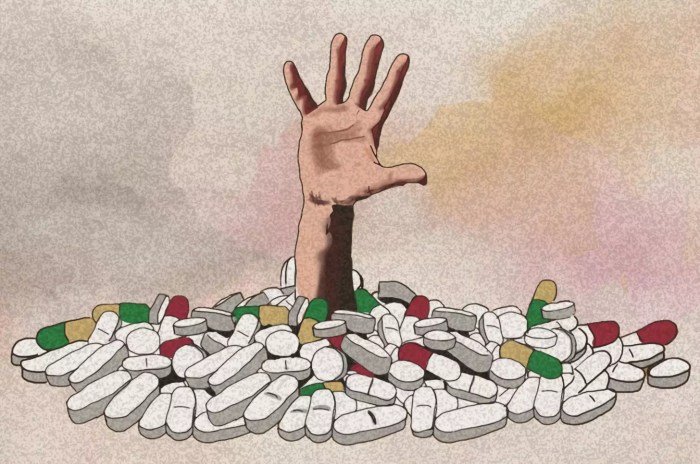
Prescription drugs are commonly abused due to their potential for creating feelings of euphoria, relaxation, or increased energy. The misuse of these drugs can lead to physical and psychological dependence, resulting in addiction.
Opioids
Opioids are a class of drugs that are commonly prescribed for pain relief. They include medications such as oxycodone (OxyContin), hydrocodone (Vicodin), and fentanyl. Opioids are highly addictive and can lead to dependency when used improperly or for an extended period of time.
Benzodiazepines
Benzodiazepines, also known as “benzos,” are prescribed to treat anxiety, insomnia, and seizures. Examples include alprazolam (Xanax), diazepam (Valium), and lorazepam (Ativan). Benzodiazepines are central nervous system depressants that can cause sedation and feelings of relaxation. However, they are also highly addictive and can lead to dependency if misused.
Stimulants
Stimulants are prescription drugs commonly used to treat conditions such as attention deficit hyperactivity disorder (ADHD) and narcolepsy. Examples of stimulants include methylphenidate (Ritalin), amphetamine (Adderall), and lisdexamfetamine (Vyvanse). Stimulants can increase alertness, attention, and energy levels when taken as prescribed. However, misuse of stimulants can lead to dependency and potentially dangerous side effects.
Sedatives
Sedatives, also known as tranquilizers, are prescribed to treat anxiety, insomnia, and other sleep disorders. Examples of sedatives include zolpidem (Ambien), eszopiclone (Lunesta), and temazepam (Restoril). Sedatives can produce calming effects and help induce sleep. However, prolonged use or misuse of sedatives can lead to dependency and withdrawal symptoms.
Signs and Symptoms of Prescription Drug Dependency
Prescription drug dependency can manifest in various ways, affecting an individual’s physical, emotional, and behavioral well-being. Recognizing the signs and symptoms early on is crucial in addressing the issue effectively.
Physical Signs
- Increased tolerance to the prescribed medication, requiring higher doses for the same effect
- Withdrawal symptoms when the drug is not taken
- Changes in sleep patterns, appetite, or weight
- Physical health issues such as chronic pain or gastrointestinal problems
Emotional Signs
- Mood swings, including irritability, anxiety, or depression
- Difficulty concentrating or remembering things
- Feelings of guilt or defensiveness when questioned about drug use
- Isolation or withdrawal from social activities
Behavioral Signs
- Doctor shopping or visiting multiple healthcare providers to obtain prescriptions
- Engaging in risky behaviors to acquire more of the drug
- Neglecting responsibilities at work, school, or home
- Secrecy or dishonesty about drug use
Treatment Options for Prescription Drug Dependency
When it comes to treating prescription drug dependency, there are various approaches that can be effective in helping individuals overcome their addiction and regain control of their lives.Counseling, therapy, and support groups play a crucial role in the treatment process. Counseling can help individuals address the underlying issues that may have led to their dependency on prescription drugs. Therapy, such as cognitive behavioral therapy, can provide coping strategies and tools to manage cravings and avoid relapse.
Support groups, like Narcotics Anonymous, offer a sense of community and understanding from others who are going through similar struggles.Medical supervision and detoxification are also important components of treatment. Detoxification helps individuals safely rid their bodies of the drugs while managing withdrawal symptoms. Medical supervision ensures that the process is monitored closely by healthcare professionals to ensure the individual’s safety and well-being.
Medication-Assisted Treatment
Medication-assisted treatment (MAT) is another approach that can be beneficial for individuals struggling with prescription drug dependency. This involves the use of medications, such as methadone or buprenorphine, to help reduce cravings and withdrawal symptoms. Combined with counseling and therapy, MAT can be a comprehensive treatment approach for those in recovery.
Inpatient Rehabilitation
Inpatient rehabilitation programs provide a structured and supportive environment for individuals to focus on their recovery. These programs typically involve intensive therapy, counseling, and medical supervision to help individuals address their addiction and develop healthy coping mechanisms.
Outpatient Treatment
Outpatient treatment programs offer flexibility for individuals who may not be able to commit to a full-time residential program. These programs involve regular counseling sessions, therapy, and support group meetings to help individuals maintain their sobriety while still being able to fulfill their daily responsibilities.
Prevention of Prescription Drug Dependency
Preventing prescription drug dependency is crucial in minimizing the harm caused by these medications. By implementing various strategies, healthcare providers and individuals can work together to prevent addiction and misuse.
Role of Healthcare Providers
Healthcare providers play a significant role in preventing prescription drug dependency through responsible prescribing practices. This includes conducting thorough assessments before prescribing medications, closely monitoring patients for signs of dependency, and educating patients about the risks associated with prescription drugs.
Education and Awareness Programs
Education and awareness programs are essential in preventing prescription drug dependency. By educating the public about the dangers of prescription drug misuse and promoting safer alternatives for pain management, these programs can help individuals make informed decisions about their health.
Role of Preventive Medicine in Addressing Prescription Drug Dependency
Preventive medicine plays a crucial role in identifying and addressing prescription drug dependency early on, ultimately helping to reduce the risk of addiction in vulnerable populations. By focusing on prevention through education, screening, and intervention, healthcare professionals can work towards minimizing the impact of prescription drug dependency.
Education and Awareness
- Providing information about the risks and potential consequences of prescription drug misuse
- Offering resources for safe medication practices and alternatives to addictive drugs
- Training healthcare providers to recognize signs of dependency and intervene accordingly
Screening and Monitoring
- Implementing routine screenings for patients at risk of prescription drug abuse
- Tracking medication usage and identifying patterns of misuse or overuse
- Utilizing prescription drug monitoring programs to prevent doctor shopping and diversion
Intervention and Treatment
- Offering early intervention programs for individuals showing signs of dependency
- Providing access to evidence-based treatments and support services
- Collaborating with addiction specialists and mental health professionals for comprehensive care
Prescription Drugs in Primary Care
Prescription drugs play a crucial role in primary care settings, where primary care physicians are responsible for managing various health conditions and ensuring the well-being of their patients.
Management of Prescription Drugs in Primary Care
- Primary care physicians carefully assess patients’ medical history, symptoms, and overall health to determine the most appropriate prescription medications.
- They monitor patients closely to prevent misuse or dependency on prescribed drugs, adjusting dosages or exploring alternative treatments as needed.
- Education and communication are key components of managing prescription drugs in primary care, as physicians inform patients about the risks and benefits of their medications.
Challenges and Considerations in Prescribing Medications
- Primary care physicians face challenges such as balancing the need for pain management with the risk of opioid dependency, especially in patients with chronic pain.
- There is a constant need to stay updated on the latest research and guidelines regarding prescription drugs to ensure safe and effective treatment.
- Physicians must also consider individual patient factors, such as age, existing health conditions, and potential drug interactions, when prescribing medications.
Public Health Implications of Prescription Drug Dependency
Prescription drug dependency not only affects individuals but also has significant public health implications. The widespread misuse and abuse of prescription drugs can have far-reaching consequences on a population as a whole.
Economic Impact
- Prescription drug dependency can lead to increased healthcare costs due to the need for medical interventions, hospitalizations, and rehabilitation programs.
- Lost productivity in the workforce can result from individuals struggling with prescription drug dependency, impacting the overall economy.
- Government spending on healthcare and social services may increase to address the needs of those affected by prescription drug dependency.
Social Impact
- Prescription drug dependency can strain relationships within families and communities, leading to social isolation and stigmatization.
- Individuals grappling with prescription drug dependency may face challenges in maintaining employment, housing, and overall quality of life.
- The stigma associated with addiction can prevent individuals from seeking help and support, further exacerbating the social impact of prescription drug dependency.
Healthcare System Impact
- Hospitals and healthcare facilities may experience increased demand for services related to prescription drug dependency, potentially leading to overcrowding and resource strain.
- Healthcare providers may need to undergo specialized training to effectively address the unique needs of individuals struggling with prescription drug dependency.
- The diversion of resources towards managing prescription drug dependency can detract from other important healthcare initiatives and interventions.
Public Health Interventions
- Educational campaigns aimed at raising awareness about the risks of prescription drug misuse and dependency can help prevent its onset.
- Regulatory measures to monitor and control the prescription of certain medications can reduce the availability of drugs that are commonly abused.
- Improving access to addiction treatment services and promoting harm reduction strategies can support individuals in overcoming prescription drug dependency.
In conclusion, Prescription drug dependency is a multifaceted issue that requires attention and understanding. By recognizing the signs, exploring treatment options, and focusing on prevention, we can work towards a healthier future.
Clarifying Questions
What are the long-term effects of prescription drug dependency?
Long-term effects can include organ damage, mental health issues, and strained relationships.
How can family members support someone struggling with prescription drug dependency?
Family members can provide emotional support, encourage treatment, and educate themselves about the condition.
Is it possible to recover from prescription drug dependency?
Yes, with the right treatment and support, recovery from prescription drug dependency is achievable.
Can prescription drug dependency lead to legal consequences?
Yes, misuse of prescription drugs can lead to legal issues such as fines or imprisonment.
How can communities raise awareness about prescription drug dependency?
Communities can host educational events, distribute informational materials, and collaborate with healthcare providers.


