
Starting with Prescription drug abuse, this article delves into the complexities surrounding this issue, shedding light on its various aspects and implications for individuals and society.
Exploring the classification of prescription drugs, preventive measures, and the role of healthcare providers, the narrative aims to provide a comprehensive overview of the topic.
Prescription Drug Abuse
Prescription drug abuse refers to the misuse or overuse of prescription medications in a way that is not prescribed by a healthcare professional. This can include taking medication in higher doses, more frequently, or for longer periods than recommended.
Examples of Commonly Abused Prescription Drugs
- Opioids: Drugs like oxycodone, hydrocodone, and morphine are often abused for their pain-relieving and euphoric effects.
- Stimulants: Medications like Adderall and Ritalin, prescribed for conditions like ADHD, are sometimes misused for their stimulating effects.
- Sedatives and tranquilizers: Drugs like Xanax and Valium, used to treat anxiety and sleep disorders, can be abused for their calming effects.
Impact of Prescription Drug Abuse
Prescription drug abuse can have serious consequences for both individuals and society as a whole. Some of the impacts include:
- Physical health effects: Abuse of prescription drugs can lead to organ damage, respiratory depression, and increased risk of overdose.
- Mental health effects: Misuse of prescription medications can result in mood swings, cognitive impairment, and increased risk of mental health disorders.
- Social and economic impact: Prescription drug abuse can strain healthcare systems, increase healthcare costs, and contribute to lost productivity in the workforce.
Prevention of Prescription Drug Abuse
Preventing prescription drug abuse is crucial to address the growing epidemic of substance misuse and addiction. By implementing various strategies and educating the public, we can work towards reducing the misuse and diversion of prescription medications.
Strategies for Preventing Prescription Drug Abuse
- Encourage proper disposal of unused medications to prevent them from being misused or abused.
- Implement prescription drug monitoring programs to track and prevent overprescribing and doctor shopping.
- Educate healthcare providers on safe prescribing practices and the risks of opioid medications.
- Promote non-pharmacological pain management approaches as alternatives to prescription drugs.
Educating the Public on the Risks of Prescription Drug Abuse
- Utilize public awareness campaigns to highlight the dangers of prescription drug abuse and the importance of proper medication use.
- Provide resources and information on the potential consequences of misusing prescription medications.
- Engage schools and communities in educating individuals, especially young people, on the risks of prescription drug abuse.
Role of Healthcare Providers in Preventing Prescription Drug Abuse
- Screen patients for substance use disorders and assess their risk of misuse before prescribing medications.
- Offer counseling and support to patients on the safe use of prescription drugs and the importance of following dosage instructions.
- Participate in continuing education programs to stay updated on best practices for prescribing controlled substances.
Prescription Drugs
Prescription drugs are medications that can only be obtained with a prescription from a licensed healthcare provider. These drugs are typically used to treat specific medical conditions and require supervision due to their potential for misuse or abuse.
Classification of Prescription Drugs
Prescription drugs can be classified into different categories based on their therapeutic use or pharmacological action. Some common classifications include:
- Antibiotics: Used to treat bacterial infections
- Analgesics: Pain-relieving medications
- Antidepressants: Used to treat depression and other mood disorders
- Antihypertensives: Medications to lower blood pressure
Difference between Prescription and Over-the-Counter Drugs
Prescription drugs require a prescription from a healthcare provider, while over-the-counter drugs can be purchased without a prescription. Prescription drugs are typically more potent and have a higher risk of side effects compared to over-the-counter medications. Healthcare providers prescribe specific drugs based on the individual’s medical history and condition.
Examples of Prescription Drugs
- Amoxicillin: An antibiotic used to treat bacterial infections
- Oxycodone: A strong pain medication used for severe pain relief
- Prozac: An antidepressant commonly prescribed for depression and anxiety disorders
- Lisinopril: An antihypertensive medication to lower blood pressure
Preventive Medicine
Preventive medicine plays a crucial role in healthcare by focusing on preventing diseases before they occur, rather than just treating them after they have already developed. This approach not only saves lives but also reduces healthcare costs and improves overall quality of life for individuals.
Preventive Medicine Strategies for Addressing Prescription Drug Abuse
When it comes to combating prescription drug abuse, preventive medicine strategies can be highly effective in addressing the root causes of the issue and preventing it from escalating further. By implementing targeted interventions, healthcare professionals can work proactively to reduce the misuse and abuse of prescription medications.
- Educational Programs: Providing education to healthcare providers, patients, and the general public about the risks associated with prescription drug abuse can help increase awareness and promote safe medication practices.
- Prescription Monitoring Programs: Implementing systems to track and monitor the prescribing and dispensing of controlled substances can help identify potential cases of abuse and prevent them from occurring.
- Alternative Pain Management: Encouraging the use of non-pharmacological treatments for pain management, such as physical therapy or acupuncture, can help reduce the reliance on prescription opioids and minimize the risk of addiction.
- Collaborative Care: Establishing collaborative care models that involve multiple healthcare providers, including primary care physicians, specialists, and mental health professionals, can ensure comprehensive and coordinated care for patients with substance abuse issues.
Primary Care
Primary care physicians play a crucial role in managing prescription drug abuse by providing early intervention, monitoring, and support to patients struggling with substance use disorders.
Screening Methods
- Primary care providers often use screening tools such as the CAGE questionnaire, the NIDA Quick Screen, and urine drug tests to detect prescription drug abuse in patients.
- They may also conduct thorough medical history assessments, physical exams, and mental health evaluations to identify signs of prescription drug misuse.
- Regular monitoring of prescription drug use, pill counts, and communication with other healthcare providers can help primary care physicians detect potential abuse.
Challenges Faced
- One of the main challenges faced by primary care practitioners is the difficulty in distinguishing between legitimate pain management and prescription drug abuse.
- Limited time during patient visits can also hinder thorough screening and monitoring of prescription drug use, leading to potential cases of abuse going unnoticed.
- Stigma associated with substance use disorders and lack of training in addiction medicine may pose additional challenges for primary care physicians in addressing prescription drug abuse effectively.
Public Health
Public health plays a crucial role in addressing prescription drug abuse by focusing on the well-being of communities and populations as a whole. It involves various strategies aimed at preventing and controlling health issues, including substance abuse, to improve the overall health outcomes of society.
Public Health Initiatives
Public health initiatives targeting prescription drug abuse include education campaigns, policy changes, and increased access to addiction treatment services. These initiatives aim to raise awareness about the risks associated with prescription drug misuse, promote safe prescribing practices among healthcare providers, and enhance monitoring of prescription drug distribution.
- Educational campaigns: These initiatives seek to educate the public about the dangers of prescription drug abuse, proper medication use, and the importance of safely storing and disposing of medications.
- Policy changes: Public health policies may focus on implementing prescription drug monitoring programs, enforcing stricter prescribing guidelines, and promoting the use of alternative pain management strategies.
- Access to treatment: Increasing access to addiction treatment services, such as medication-assisted therapy and counseling, is essential in addressing prescription drug abuse and helping individuals recover from substance use disorders.
Impact on Public Health Systems
The impact of prescription drug abuse on public health systems is significant and multifaceted. It leads to increased healthcare costs, higher rates of emergency department visits, and strained resources within the healthcare system. Additionally, the rise in opioid-related overdoses and deaths has put a substantial burden on public health agencies and providers, necessitating a comprehensive response to address this growing epidemic.
In conclusion, Prescription Drug Abuse is a multifaceted problem that requires collective efforts to address effectively. By understanding its nuances and implementing preventive strategies, we can work towards mitigating its impact and promoting healthier communities.
Helpful Answers
What are the common signs of prescription drug abuse?
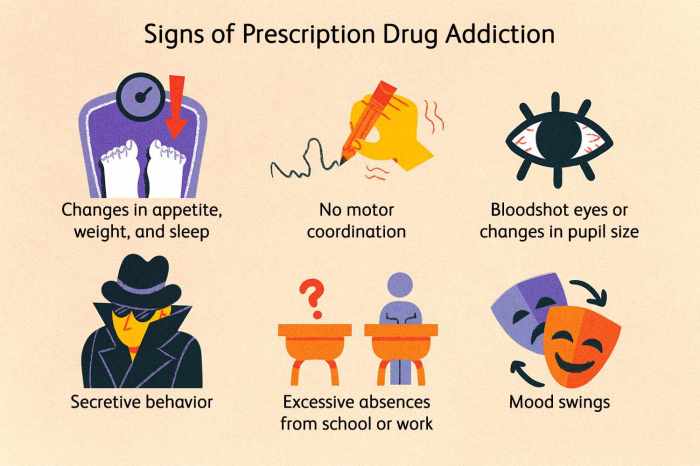
Signs include frequent mood swings, changes in sleep patterns, and secretive behavior regarding medication use.
How can family members help someone struggling with prescription drug abuse?
Family members can provide emotional support, encourage seeking professional help, and help in creating a safe environment free from triggers.
Is prescription drug abuse more prevalent in certain age groups?
While it can affect individuals of all ages, it is more commonly seen in teenagers and young adults.
Can prescription drug abuse lead to long-term health consequences?
Yes, prolonged abuse can result in organ damage, addiction, and even fatal overdoses.


