
Exploring the vital intersection of public health and COVID-19, this introduction sets the stage for a deep dive into the strategies, impacts, and challenges faced in the global battle against the virus.
As we navigate through the complex landscape of healthcare during a pandemic, understanding the role of public health becomes paramount in safeguarding communities and individuals alike.
Public Health and COVID-19
Public health plays a crucial role in managing the COVID-19 pandemic by implementing various strategies to control the spread of the virus and mitigate its impact on communities.
Role of Public Health in Managing COVID-19
Public health authorities are responsible for coordinating efforts to track, monitor, and respond to COVID-19 cases. They conduct contact tracing, testing, and isolation measures to break the chain of transmission. Additionally, public health agencies provide guidance on preventive measures such as wearing masks, practicing physical distancing, and promoting vaccination campaigns.
Key Strategies in Controlling COVID-19 Spread
- Implementing lockdowns and travel restrictions to reduce transmission rates.
- Educating the public on proper hygiene practices and preventive measures.
- Ramping up testing and contact tracing efforts to identify and isolate cases promptly.
- Distributing vaccines and promoting vaccination campaigns to achieve herd immunity.
Impact of COVID-19 on Global Public Health Systems
The COVID-19 pandemic has put immense pressure on public health systems worldwide. Health care facilities have been overwhelmed, leading to shortages of medical supplies and personnel. The pandemic has also highlighted existing health disparities and inequities, underscoring the need for stronger public health infrastructure to respond effectively to future health crises.
Prescription Drugs
Prescription drugs play a crucial role in treating COVID-19 patients by helping to alleviate symptoms, reduce the severity of the illness, and prevent complications.
Types of Prescription Drugs
- Antiviral Medications: These drugs work by inhibiting the replication of the virus in the body. Common examples include Remdesivir and Favipiravir.
- Corticosteroids: These drugs help reduce inflammation in the lungs and other organs, which can be beneficial for COVID-19 patients with severe symptoms. Dexamethasone is a commonly used corticosteroid.
- Monoclonal Antibodies: These drugs target specific parts of the virus and help the immune system fight off the infection. Regeneron and Eli Lilly are two companies that have developed monoclonal antibody treatments.
- Immunomodulators: These drugs regulate the immune response in COVID-19 patients, preventing an overactive immune reaction that can lead to tissue damage. Tocilizumab and Baricitinib are examples of immunomodulators used in COVID-19 treatment.
Challenges with Access to Prescription Drugs
One of the major challenges associated with access to prescription drugs during the pandemic is the limited availability of certain medications due to increased demand. This can lead to shortages and difficulties in obtaining essential drugs for COVID-19 treatment. Additionally, the high cost of some prescription drugs may pose a barrier to access for patients, especially in low-income communities or countries with limited healthcare resources.
Preventive Medicine
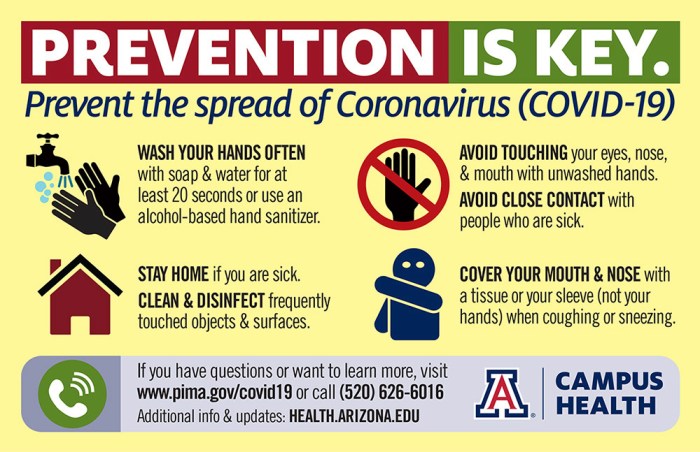
Preventive medicine plays a crucial role in reducing the transmission of COVID-19 by focusing on measures to prevent the spread of the virus before individuals become infected. This approach is essential in controlling the pandemic and protecting public health.
Recommended Preventive Measures
- Wearing masks in public settings and practicing social distancing to reduce the risk of transmission through respiratory droplets.
- Frequent handwashing with soap and water for at least 20 seconds, or using hand sanitizer with at least 60% alcohol, to eliminate viruses on hands.
- Avoiding large gatherings and crowded spaces to minimize close contact with potentially infected individuals.
- Cleaning and disinfecting frequently touched surfaces regularly to prevent the spread of the virus through contaminated surfaces.
Role of Vaccines
Vaccines are a critical preventive measure in combating the COVID-19 pandemic by building immunity against the virus. They work by stimulating the immune system to recognize and fight the virus if exposed, reducing the severity of illness and preventing transmission to others. Getting vaccinated not only protects individuals but also contributes to achieving herd immunity, slowing the spread of the virus within communities.
Primary Care
Primary care physicians play a crucial role in managing COVID-19 patients as they are often the first point of contact for individuals seeking medical help. They are responsible for assessing symptoms, providing guidance on testing and treatment options, and coordinating care with specialists if needed.
Challenges Faced by Primary Care Providers During the Pandemic
- Shortage of personal protective equipment (PPE) leading to increased risk of exposure to the virus.
- Managing a high volume of COVID-19 patients while also providing care for other medical conditions.
- Dealing with limited resources and staffing issues due to healthcare system strain.
- Navigating rapidly changing guidelines and protocols for COVID-19 testing and treatment.
Adaptation of Primary Care Services for COVID-19 Patients
- Implementing telemedicine services to provide remote consultations and monitoring for COVID-19 patients.
- Setting up dedicated respiratory clinics or testing centers to separate COVID-19 cases from other patients.
- Enhancing infection control measures within primary care facilities to protect patients and staff.
- Collaborating with public health agencies and other healthcare providers to ensure comprehensive care for COVID-19 patients.
In conclusion, the discussion on public health and COVID-19 underscores the urgent need for coordinated efforts, proactive measures, and resilient healthcare systems to effectively combat the ongoing crisis.
FAQ Overview
How does public health contribute to managing the COVID-19 pandemic?
Public health plays a crucial role in surveillance, contact tracing, testing, and implementing preventive measures to control the spread of the virus.
What are some key strategies used in public health to control the spread of COVID-19?
Key strategies include promoting hygiene practices, social distancing, mask-wearing, vaccination campaigns, and public awareness initiatives.
How has COVID-19 impacted public health systems globally?
The pandemic has strained healthcare infrastructure, highlighted disparities in healthcare access, and emphasized the need for preparedness and response mechanisms at a global scale.


