
With Primary care model at the forefront, this paragraph opens a window to an amazing start and intrigue, inviting readers to embark on a storytelling casual formal language style filled with unexpected twists and insights.
Exploring the essence of primary care models, this article delves into the key components that shape modern healthcare systems worldwide. From preventive medicine to access to prescription drugs, the impact of primary care on public health outcomes is unraveled in detail.
What is the primary care model?
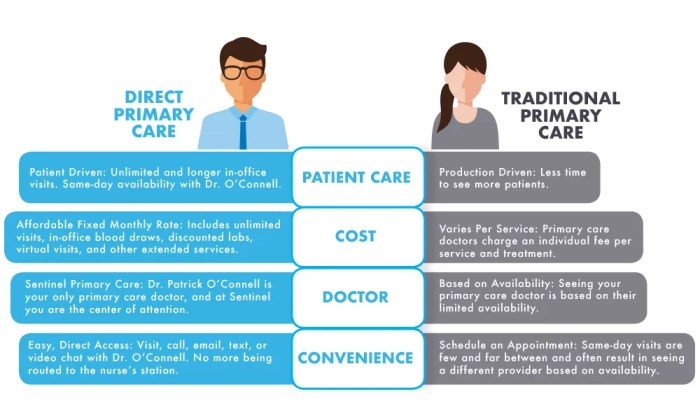
Primary care model refers to a healthcare approach that focuses on providing comprehensive, continuous, and coordinated care to patients. It serves as the patient’s first point of contact with the healthcare system and plays a crucial role in promoting overall health and well-being.
Key Elements of a Primary Care Model
- Preventive Care: Primary care emphasizes preventive measures such as vaccinations, screenings, and lifestyle counseling to help patients maintain good health.
- Coordination of Care: Primary care providers coordinate the patient’s care across different healthcare settings and specialties to ensure seamless and efficient treatment.
- Long-term Relationships: Primary care providers build long-term relationships with patients, enabling them to better understand their medical history, preferences, and needs.
- Comprehensive Services: Primary care offers a wide range of services, including diagnosis, treatment, chronic disease management, and referrals to specialists when needed.
Importance of the Primary Care Model in Healthcare Systems
Primary care serves as the foundation of a strong healthcare system by improving access to care, reducing healthcare costs, and enhancing patient outcomes. It helps in early detection and management of health issues, promotes continuity of care, and contributes to better population health outcomes.
Examples of Different Primary Care Models Around the World
1. United Kingdom
National Health Service (NHS) provides primary care through general practitioners (GPs) who act as gatekeepers to specialized care.
2. United States
The Patient-Centered Medical Home (PCMH) model emphasizes team-based care, care coordination, and enhanced access to services.
3. Australia
Primary Health Networks (PHNs) coordinate primary care services at the regional level, focusing on community needs and integration of care.
4. Brazil
Family Health Strategy (FHS) employs multidisciplinary teams to deliver primary care services, emphasizing preventive care and health promotion.
Role of primary care in preventive medicine
Primary care plays a crucial role in preventive medicine by focusing on keeping individuals healthy and preventing diseases before they occur. This proactive approach is essential in reducing healthcare costs and improving overall public health outcomes.
Relationship between primary care and preventive medicine
Primary care providers serve as the first point of contact for individuals seeking healthcare services. They are responsible for conducting routine check-ups, screenings, and vaccinations to detect any potential health issues early on. By emphasizing preventive measures, primary care providers can educate patients on healthy lifestyle choices and disease prevention strategies.
- Regular screenings: Primary care providers recommend and perform screenings for conditions such as high blood pressure, cholesterol levels, and certain cancers to detect any abnormalities at an early stage.
- Vaccinations: Primary care providers administer vaccines to prevent infectious diseases, such as influenza, measles, and HPV, reducing the risk of outbreaks in the community.
- Health education: Primary care providers offer guidance on nutrition, exercise, smoking cessation, and stress management to help patients maintain a healthy lifestyle and prevent chronic diseases.
Impact of primary care on public health outcomes
By focusing on preventive medicine, primary care providers can significantly impact public health outcomes by reducing the incidence of diseases, improving overall health outcomes, and lowering healthcare costs. Preventive measures implemented in primary care settings contribute to a healthier population and a more sustainable healthcare system.
Access to prescription drugs in primary care
Prescription drugs play a crucial role in managing various health conditions, and primary care providers are at the forefront of prescribing these medications. Let’s explore the role of primary care in ensuring access to prescription drugs, along with the challenges and benefits associated with managing them effectively.
Role of Primary Care Providers in Prescribing Medications
Primary care providers, including doctors and nurse practitioners, are responsible for evaluating patients’ health conditions, diagnosing illnesses, and determining the appropriate treatment plan, which often includes prescribing medications. They play a vital role in ensuring patients receive the necessary prescription drugs to manage their health effectively.
- Primary care providers assess patients’ symptoms, medical history, and overall health to make informed decisions about prescribing medications.
- They monitor patients’ responses to prescribed medications, adjust dosages as needed, and educate patients about proper medication use.
- Primary care providers collaborate with pharmacists and specialists to coordinate care and ensure that prescription drugs are safe and effective for each patient.
Challenges and Benefits of Managing Prescription Drugs in Primary Care
Prescribing and managing prescription drugs in primary care settings come with both challenges and benefits that impact patient care and outcomes.
- Challenges:
- Ensuring patient adherence to prescribed medications.
- Managing potential drug interactions and side effects.
- Navigating insurance coverage and formulary restrictions.
- Benefits:
- Convenience for patients to access medications during primary care visits.
- Opportunity for primary care providers to develop a comprehensive treatment plan for patients.
- Potential cost savings for patients compared to specialist care for medication management.
Safe and Effective Use of Prescription Drugs in Primary Care Models
Primary care models prioritize the safe and effective use of prescription drugs to optimize patient outcomes and minimize risks associated with medication management.
- Primary care providers conduct thorough medication reviews to identify potential issues, such as duplicate therapies or contraindications.
- They emphasize patient education on medication adherence, potential side effects, and the importance of follow-up care.
- Primary care models incorporate electronic health records and prescription monitoring programs to track medication use and improve patient safety.
Regulations and Guidelines Governing Prescription Drug Management in Primary Care
Prescribing medications in primary care is subject to strict regulations and guidelines to ensure patient safety and quality of care.
- Primary care providers must adhere to state and federal laws governing controlled substances and prescription drug practices.
- Guidelines from professional medical organizations help standardize prescribing practices and promote evidence-based medication management.
- Regulatory agencies oversee medication prescribing to prevent misuse, abuse, and medication errors in primary care settings.
Public health implications of the primary care model
Primary care plays a crucial role in public health by addressing various health issues at the community level, focusing on disease prevention, health promotion, and improving overall population health.
Contributions of primary care to public health initiatives
Primary care providers are essential in delivering preventive services such as vaccinations, screenings, and counseling to individuals and families. They also play a key role in managing chronic conditions and coordinating care for patients with complex health needs.
Primary care addressing public health issues at the community level
Primary care practices often serve as the first point of contact for individuals seeking healthcare, making them well-positioned to identify and address public health issues within the community. By promoting healthy behaviors, providing education, and offering support, primary care providers can help prevent the spread of diseases and improve overall community health.
Role of primary care in disease prevention and health promotion for populations
Primary care focuses on preventive measures such as regular health screenings, lifestyle counseling, and early intervention to help individuals maintain good health and prevent the onset of diseases. By emphasizing preventive care, primary care providers can contribute to the overall well-being of populations and reduce the burden on healthcare systems.
Examples of successful public health interventions implemented through the primary care model
- Implementing vaccination campaigns to improve immunization rates and prevent the spread of infectious diseases.
- Offering smoking cessation programs and counseling to help individuals quit smoking and reduce the risk of tobacco-related illnesses.
- Collaborating with community organizations to address social determinants of health and promote health equity among populations.
In conclusion, the primary care model stands as a cornerstone in healthcare, bridging the gap between prevention and treatment. By emphasizing community health and disease prevention, primary care models play a vital role in shaping a healthier future for populations worldwide.
Clarifying Questions
What are the different primary care models around the world?
Primary care models vary globally, with examples like the Patient-Centered Medical Home in the US and the Family Medicine model in Canada.
How do primary care providers ensure safe and effective use of prescription drugs?
Primary care providers monitor medication usage, educate patients on proper usage, and collaborate with specialists for complex cases.
What public health initiatives are addressed through the primary care model?
Primary care contributes to initiatives like vaccination drives, chronic disease management, and community health education.


